From our September/October 2026 issue
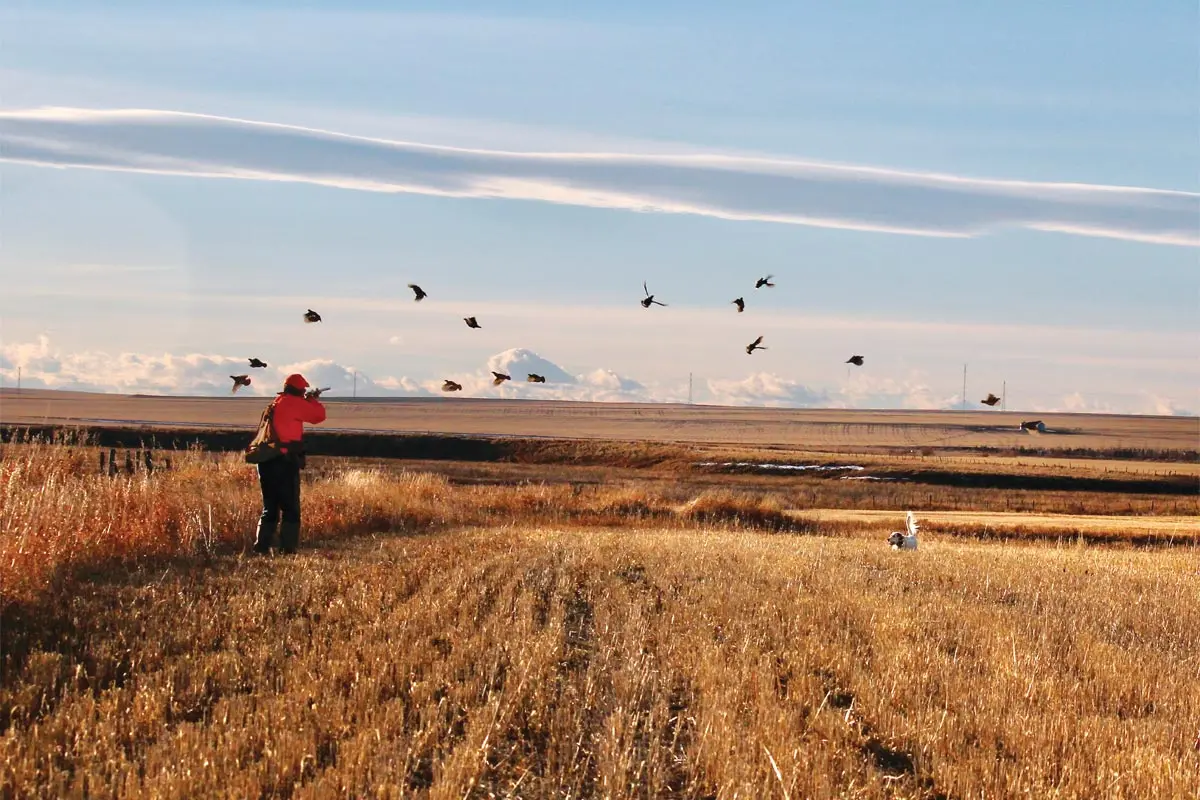
Having the ability to bird hunt close to home is a luxury some of us have and others don’t. But even for those who can hunt within a day trip of home, if they’re like me, they still have a burning desire to go out and explore. New landscapes, new species, new terrain to watch your dog work. It’s what keeps us loading up the truck year after year.
I’ve been chasing birds across the country for a while—from the prairies of the Dakotas to the canyons of eastern Oregon—and if there’s one thing I’ve learned, it’s that the quality of a trip is directly tied to the quality of the preparation. A DIY bird hunting road trip isn’t a guided hunt where someone else has thought through the details. You are the outfitter, the camp cook, the dog handler and the navigator all rolled into one. That freedom is the best part, but it also means the essentials matter.
Through the years I’ve put together rigs in different configurations and guided friends through some builds of their own. Following are some of the things I wish someone had told me before I drove 14 hours to hunt a piece of public ground I’d never set foot on with a dog that needed things I didn’t pack and a truck that was running on fumes 40 miles from the nearest gas station.
Pre-Travel Prep
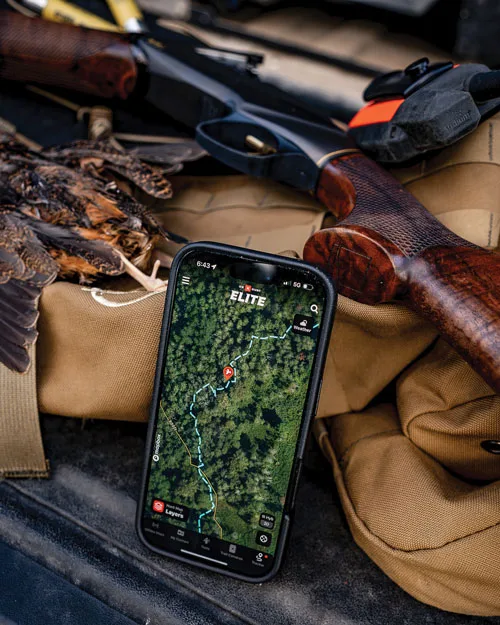
Every trip starts long before you turn the key in the ignition. Pre-travel preparation is where DIY hunters either set themselves up for success or guarantee a headache. The single most important tool I use before any trip is onX Hunt. I’m not saying that just because I work there; I’ve used the app religiously for years. Being that a lot of the best bird country is on or accessed through public land, the ability to e-scout from your couch is a game changer for the traveling bird hunter. You can identify public land, figure out access points, study terrain features that hold birds and, just as importantly, find places to camp along your route. When you’re pulling a trailer or running a rooftop-tent setup, knowing where you can legally and safely park for the night saves you from that sinking feeling of driving around in the dark looking for a spot after a long day of hunting. I can’t count the number of times I’ve pulled up to a spot I’d marked on the map weeks before and set up camp in minutes while other guys were still looking around for somewhere to park.
Dog Considerations
Another piece of pre-travel prep that hunters sometimes overlook is veterinary care. Before you leave, locate veterinarians in every area you plan to hunt. I’m not talking about your vet back home; I mean emergency vets and clinics near where you’ll actually be. If you’re hunting remote country, the nearest vet might be an hour or more away, and you need to know that before something goes wrong. I normally research vets in the area once I’ve identified where I plan to hunt, but I’ve been known to stretch to new areas once I’ve arrived. Because of that, occasionally I’ve used Hunt.VET, which is a website of sporting-dog-friendly veterinarians in various areas. These are vets who understand what a bird dog goes through in the field and won’t look at you sideways when you bring in a dog with a cactus spine in its pad or a laceration from barbed wire. Having numbers saved in your phone before you leave home is the kind of preparation that doesn’t seem important until it’s the most important thing in the world. And trust me: If you hunt with dogs long enough, unfortunately and eventually you will find yourself making an emergency run to a new vet in a new location.
If you’re like me, the dog is the whole reason you’re out there. Everything else is just logistics in support of watching the dog do what it was born to do. For this reason, safe dog travel must be a priority, not an afterthought. Which is why a quality crate or kennel is non-negotiable. I use Lucky Duck kennels (luckyduck.com), and I’ve seen the difference they make, not just for safety during sudden stops and rough roads, but also in how dogs ride. And a dog that travels well hunts better. Period. I’ve done some long hauls with my dogs, including a move from Michigan to Oregon where we were hunting multiple states along the way, and my crate setup was one thing I never second guessed. Now that I’m running two GSPs—Tikka and Maisie—having a solid kennel system that keeps both dogs safe and comfortable on long drives is even more important.
Temperature management is something that catches a lot of traveling hunters off guard. You might leave home in mild weather and drive into a cold front or hunt the morning in freezing temperatures and have the truck bed baking by afternoon. Insulated kennel covers are worth every penny. They keep the wind and cold out during travel and help regulate temperature when the weather shifts. On the flip side, airflow matters just as much. A dog in an enclosed truck bed with no ventilation on a warm day is a recipe for disaster. I’ve seen guys add aftermarket fans to their kennel setups, and I run Lucky Kennel Fans on my crates. Couple this with a good cap that allows for airflow, and you should be prepared for whatever temps you run into. Know the temperature, know your dog and plan accordingly.
Camping Gear
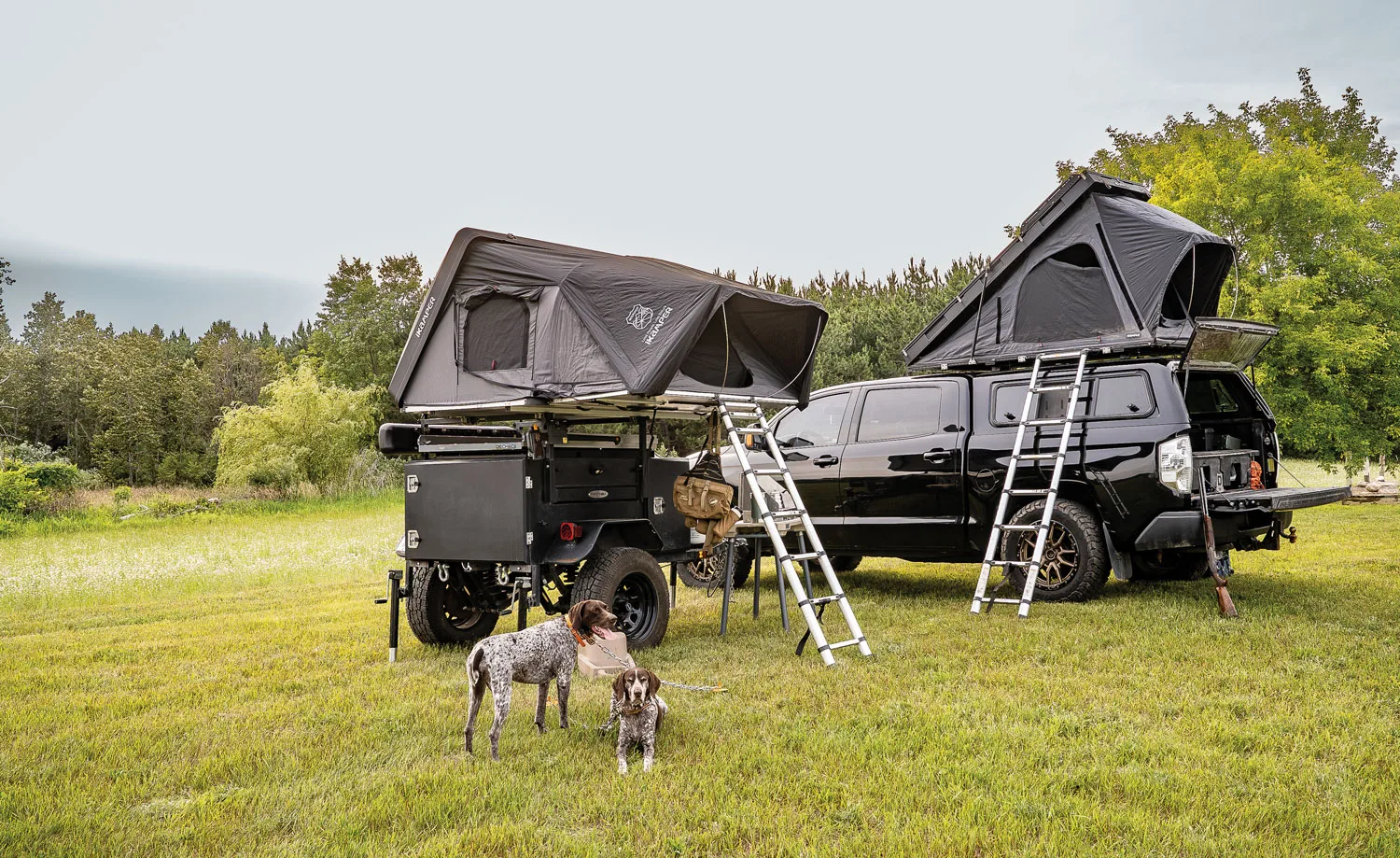
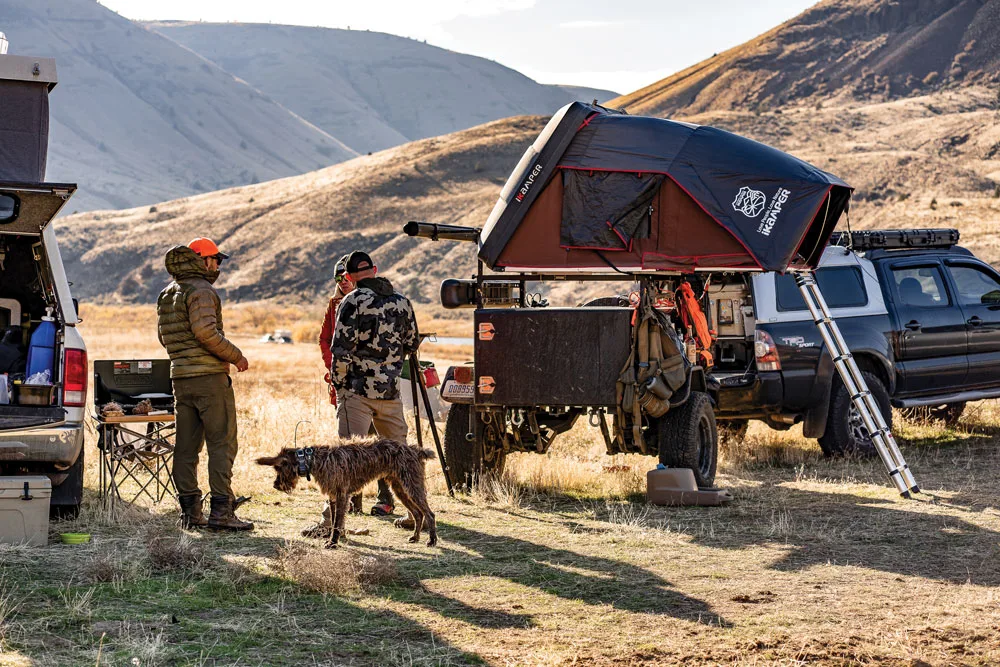
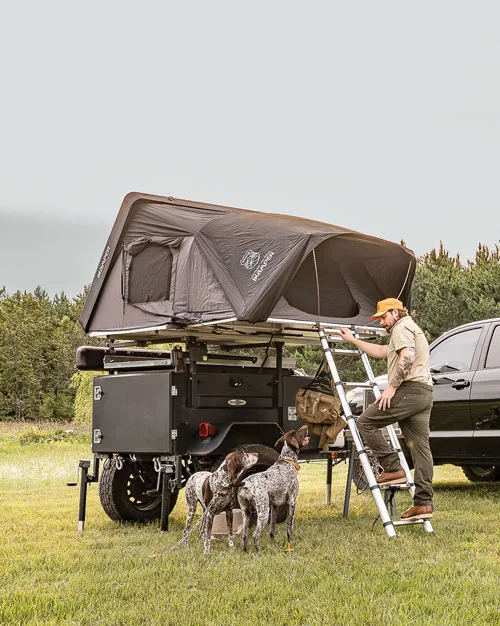
When it comes to camping gear, your shelter setup is the foundation of everything. I’m a rooftop-tent guy and use a couple different styles made by iKamper. I’ve used them on both my truck and on a dedicated overlanding trailer, and the convenience is hard to beat. You pull into a spot, pop the tent and you’re set up in minutes. When you’re ready to move to the next location, the tent folds back up and packs away quickly. No staking out a ground tent in the dark, no worrying about what the ground conditions are like at an unfamiliar site. A couple seasons back during a trip through Montana and the Dakotas, I was moving to a new spot almost every night, and the rooftop tent was the reason it didn’t feel like a burden.
If you have the budget and want to go the trailer route, that gives you even more flexibility, because your sleeping setup, kitchen and storage are all self-contained and ready to roll. My buddy Craig Jones originally put me onto a trailer setup, and I’ve been sold on the concept ever since. There are many options out there, but the trailer I use is the Smittybilt Scout, which is bare-bones for the most part but lets me to customize it to my needs.
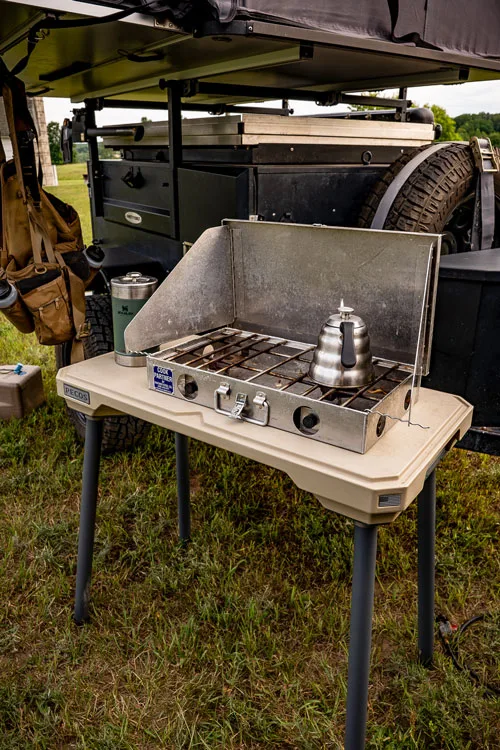
Cooking on the road is one of those things that can be either a chore or one of the best parts of the trip, and the difference comes down to having the right setup. A solid two-burner camp stove running off a small propane tank is all you really need. I keep my Partner Steel camp stove accessible so that when I come back to camp after a hunt, it takes about two minutes to get the stove going. I prefer a burner stove top to a griddle for the versatility of being able to use pots and pans. No matter which way you decide to go, there’s nothing better than returning to camp after a long day and cooking the birds you were lucky enough to get. I’ve had some of the best meals of my life standing around a tailgate with friends, cleaning birds and cooking them up before the sun goes down.
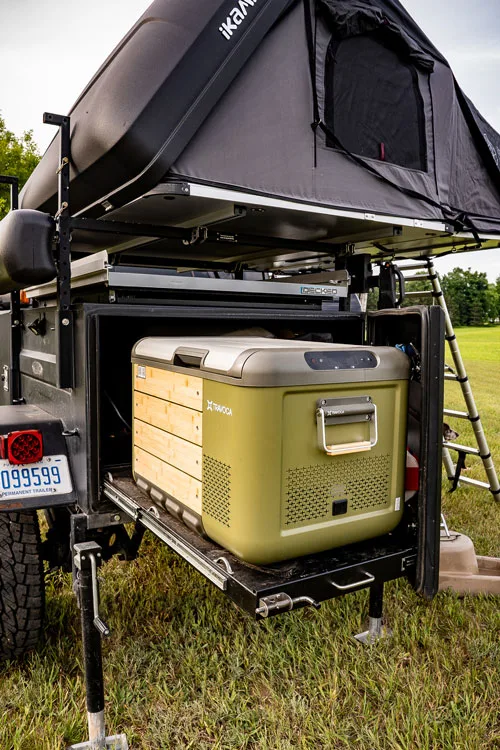
A good cooler is essential too. I have a Travoca Dual Zone eCooler fridge/freezer, which lets me keep things cold or even frozen for the duration of a trip without messing with ice. The electric cooler has come in handy on many trips, allowing me to freeze the birds I shoot while also holding frozen prepared meals, making cooking less of a chore. It’s a bigger investment up front, but when you’re on an extended trip, not having to find ice every day is a luxury you won’t want to give up.
Other Gear & Considerations
When packing for a multi-day trip, I go through a checklist of gear to bring—some necessities, others creature comforts. Following are some of the items on it.
• Sleeping bag (temperature rated for conditions).
• Pillows (inflatables save space).
• Diesel heater (safe for inside a tent, if used properly).
• Headlamps and flashlights.
• Camp table. (I use a portable table from PECOS.)
• Camp chairs. (I use REI Flexlite chairs, which are lightweight and compact when folded.)
• Cooking utensils. (I keep mine organized in one box.)
• Coffee supplies. (I use a Stanley press and a stovetop pour-over kettle.)
• Tire-repair kit and air compressor. (Both of mine are from ARB.)
Fuel, Power & Communication
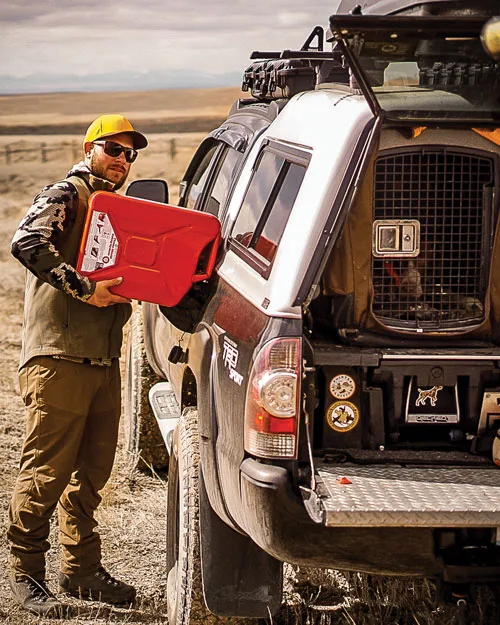
Extra fuel is one of those items that feels like overkill until it saves you. I keep jerry cans strapped to my rig at all times, and I’ve had to use them on more than a few occasions. When you’re hunting the big, open, remote ground that holds wild birds, gas stations are usually few and far between. And let’s be honest: Birds seem to have a complete disregard for your fuel economy. You’ll drive 40 miles down a gravel road to hunt a spot that looked good on the map, then loop back to try another access point, and before you know it the fuel gauge is dropping faster than you’d planned. Having that reserve takes the anxiety out of exploring—and exploring is the whole point of being a traveling DIY hunter.
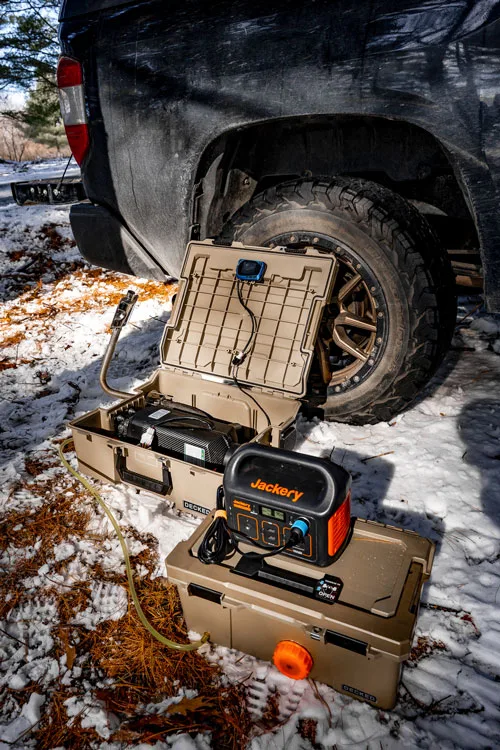
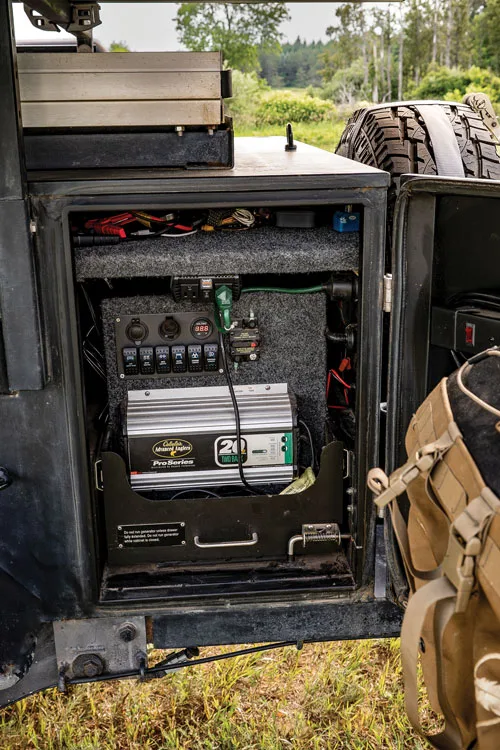
Power and communication go hand in hand on these trips, and both deserve more thought than they’re typically given. A portable battery pack or power station, like the Jackery I use, is essential. I use mine to charge GPS collars for the dogs, my phone and camera gear. I also keep a dedicated battery system in the trailer to keep the fridge going and lights on after dark. Solar panels are a great addition if you’re going to be out for multiple days. Set one up on the ground or the roof of the truck during the day, and you have a trickle charge going while you hunt. For communication, I keep my subscription to onX Hunt’s SOS feature active as a “just in case.” When you’re hunting country with no cell service, which is most of the best bird country, having the ability to send an SOS is critical. A WeBoost cell-signal booster helps me in fringe areas where there’s a weak signal, and if you really want to go all in, Starlink has changed the game for remote connectivity. Being able to pull up weather, check maps or make a call from a camp 50 miles from the pavement feels like cheating, but it’s the kind of cheating I’m OK with.
Water
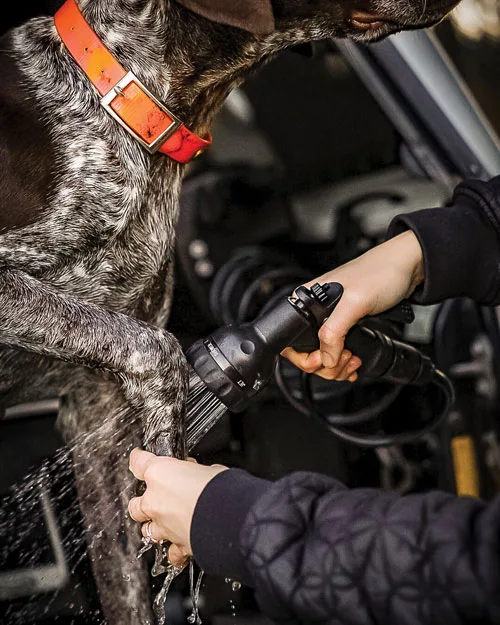
Water might sound obvious, but the logistics of it on a multi-day trip deserve real attention. Fill every water bottle you own before leaving town. I have a pressurized system from WaterPORT that I keep mounted to my trailer, and it’s one of the most versatile pieces of gear I own. I use it for drinking water, washing dishes, rinsing off muddy dogs, and even taking showers when I’m out for several days. A Kakadu water heater is a nice upgrade if you’re hunting in cold weather, as a warm shower after a freezing day in the field is a morale booster hard to overstate. One tip that seems small but matters is that when temperatures drop below freezing at night, place water bottles in the cab of the truck or even sleep with them, if it’s not too uncomfortable. I’ve woken up more than once to frozen bottles left outside that were useless until midday. The dogs need water just as much as you do, and frozen bottles help no one.
Storage for Guns & More
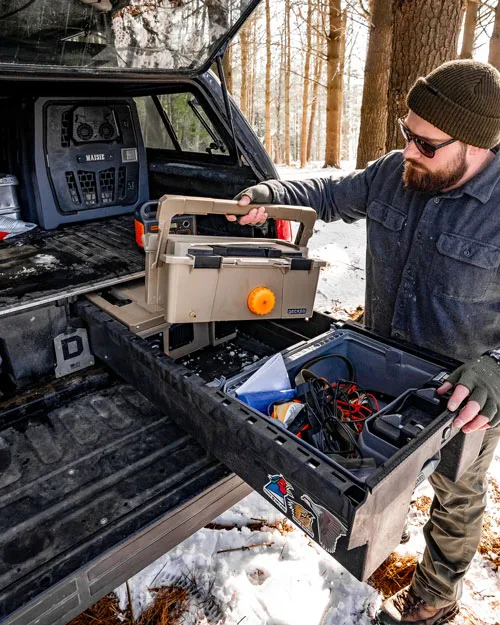
Gun storage on a traveling rig needs to be secure and organized. I have a DECKED Drawer System in my truck bed, and it’s been one of the best investments I’ve made. The drawers sit under the dog crates and give me a flat, organized space for guns, ammo, cleaning supplies and all the other small items that tend to rattle around on a long drive. Keeping your shotgun in a quality case inside a locked drawer gives you peace of mind when you stop for gas or food along the way. I also keep a cleaning kit accessible, because after a few days of hard hunting in dusty or wet conditions, your gun needs attention. A few minutes of work at the end of each day keeps everything running smoothly.
Dog Supplies
Dog supplies could be an entire article on their own, but I’ll hit the essentials. Food goes without saying, but how you store it matters. I keep food in a sealed bag inside a storage box. It stays fresh, it stays dry and it doesn’t attract critters to camp. A K-9 first-aid kit is mandatory, and you need to know how to use everything in it as well as your limitations. You should be able to handle minor cuts, pull porcupine quills, wrap a foot and manage a mild allergic reaction. But you also need to know when something is beyond your ability, and that’s where those vet numbers come in.
Protective gear is important, depending on where you’re hunting. Vests protect against brush and thorns, and boots can save pad injuries in nasty terrain. Clip your dog’s toenails before you leave. It’s the kind of thing you’ll kick yourself for forgetting when a torn nail sidelines your dog on day two of a weeklong trip. I carry ice and extra blankets for post-hunt recovery, as a dog that runs hard all day deserves to be cooled down properly and kept warm at night. Both Tikka and Maisie are spoiled and sleep in the tent with me, which on cold nights works out for all of us. Some owners give their dogs joint supplements during heavy hunting seasons, and I think that’s a smart move for any dog that’s putting in serious miles. And don’t forget a lead for bathroom breaks at rest stops and camp. A loose dog in unfamiliar country near a road is a risk no one should take.
Putting together a rig and a system for traveling to hunt birds is a process, and it evolves every season. You’ll return from a trip and realize you packed something you never touched and forgot something you could have used, and that’s part of it. The point is to get out there. Whether you’re outfitting your truck, building a trailer or just loading up the basics and sleeping in the back of an SUV, the traveling DIY bird hunter has access to some of the best wingshooting the country has to offer. All it takes is a little preparation, the right gear and a desire to see what’s over the next ridge. You’ll find yourself planning bigger trips and greater adventures and ultimately coming home with the kind of stories that happen only when you and your dogs are a long way from home with nothing but open country ahead of you. After all, isn’t that what it’s all about—the stories and the memories made with friends and your dogs?
Nate Akey is an upland hunter, photographer and writer based in Michigan with a tendency to roam. A passionate conservationist and all-around outdoorsman, he spends most of the season with friends and family following his two GSPs—Tikka and Maisie—throughout the country in pursuit of upland birds.
Read our Newsletter
Stay connected to the best of wingshooting & fine guns with additional free content, special offers and promotions.